WEB_POWER_MODULE_SiC_and_Si_1920x1080_260820

EtelligentPower™ - Magna Power Modules

One Power Module Design. Multiple Vehicle Applications: Magna Power Modules provide Si and SiC options in a common architecture for 400 V and 800 V applications.

One Platform. Built for Choice.

Within the EtelligentPower™ portfolio, Magna Power Modules provide Si and SiC options in a common architecture for 400 V and 800 V applications, helping OEMs balance performance and cost while maintaining inverter reuse and supply flexibility. Available for integration into Magna’s next-generation eDrive systems, as part of Magna inverter systems or as stand-alone modules for OEM integration. See the Power Behind the Drive.

How does Magna bring the right power to the inverter?

By combining inverter-focused design with a flexible Power Module architecture. Magna Power Modules support Si and SiC technologies across 400 V and 800 V applications, enabling OEMs to match performance and cost targets while reusing more of their inverter platform.

Platform Adaptability

  • One architecture across technologies, voltage levels and eDrive applications
  • Common footprint for SiC and Si power modules at 400 V and 800 V supports high inverter reuse
  • Suitable for primary and secondary eDrives, as well as for hybrid drives for hybrid and range extended vehicles

Inverter Optimization

  • Designed around inverter and system requirements balancing efficiency, integration, performance and cost
  • Builds on Magna’s inverter, eDrive and controls expertise
  • Fully assembled and leak tested power stacks on cooler

Design & Supply Control

  • Magna-owned, chip-agnostic design
  • Flexible semiconductor sourcing and technology choice
  • Reduced dependence on a single supplier or chip technology

EtelligentPower
Magna Power Modules

Pirmin_Foto_250KB

"Magna's Power Modules represent a leap forward in inverter technology for electric vehicles. With its modular design, high efficiency, and robust manufacturing, it is engineered to meet the evolving demands of electrified mobility. Its flexibility, performance, and cost-effectiveness make it a compelling choice for OEMs aiming to lead in the transition to sustainable transportation."

Pirmin Dorfstätter
Product Management, Magna Powertrain

One Architecture. More Application Freedom.

Its scalable architecture allows OEMs to use one inverter architecture across different applications while choosing between Si and SiC technologies, 400 V and 800 V based on performance, efficiency and cost targets. Whether integrated into Magna’s next-generation eDrive systems, inverter systems or supplied as stand-alone module for OEM integration, Magna Power Modules support adaptable electrification strategies across platforms, regions and performance requirements. 

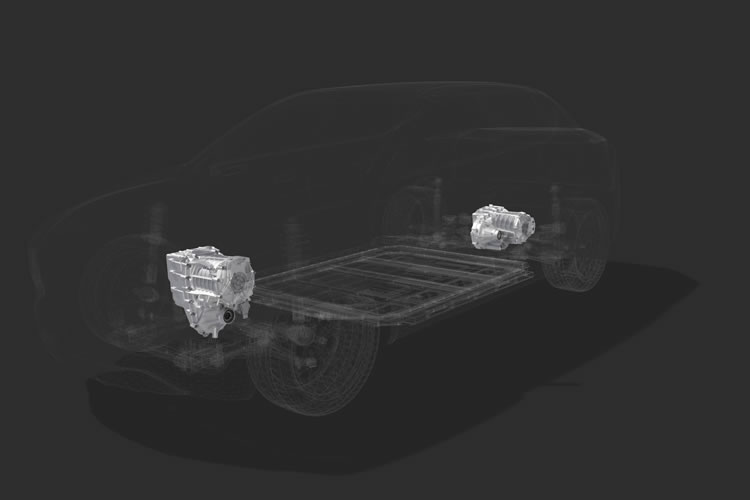
Magna Power Modules Enable Next-Gen eDrives

400 V / 800 V

flexibility: Enabling reuse of inverter PCBs and busbars across different power levels.
-3%

losses in complete drivetrain (in WLTP) enabled through advanced design allowing for high switching speed.

2x

longer lifespan through transfer-molded solution.

200°C

Thermal resilience: Capable of operating at junction temperatures up to 200°

Explore the Magna Power Module

Supply chain independence

Magna Power Modules have the highest supply chain independence. Our chip-agnostic approach allows semiconductor sourcing flexibly, reducing risks and ensuring scalability.

Magna-owned design

Developed in-house, the platform gives Magna strong control over performance, quality and customization.

Voltage flexibility

Magna Power Modules support 400 V and 800 V architectures, with power ratings up to 250 kW, making it suitable for a wide range of EV and hybrid applications.

High efficiency

Magna Power Modules feature a low stray-inductive package, which improves switching behavior and reduces energy losses.

Cost optimization

Magna Power Modules support cost optimization. The innovative design reduces packing complexity and manufacturing costs, with a high utilization of chip area.

Interchangeability between SiC and Si

Magna’s approach offers interchangeability of Si and SiC Power Modules. The product allows OEMs to deliver electric-first experiences with range and utility, without committing to a single pathway.

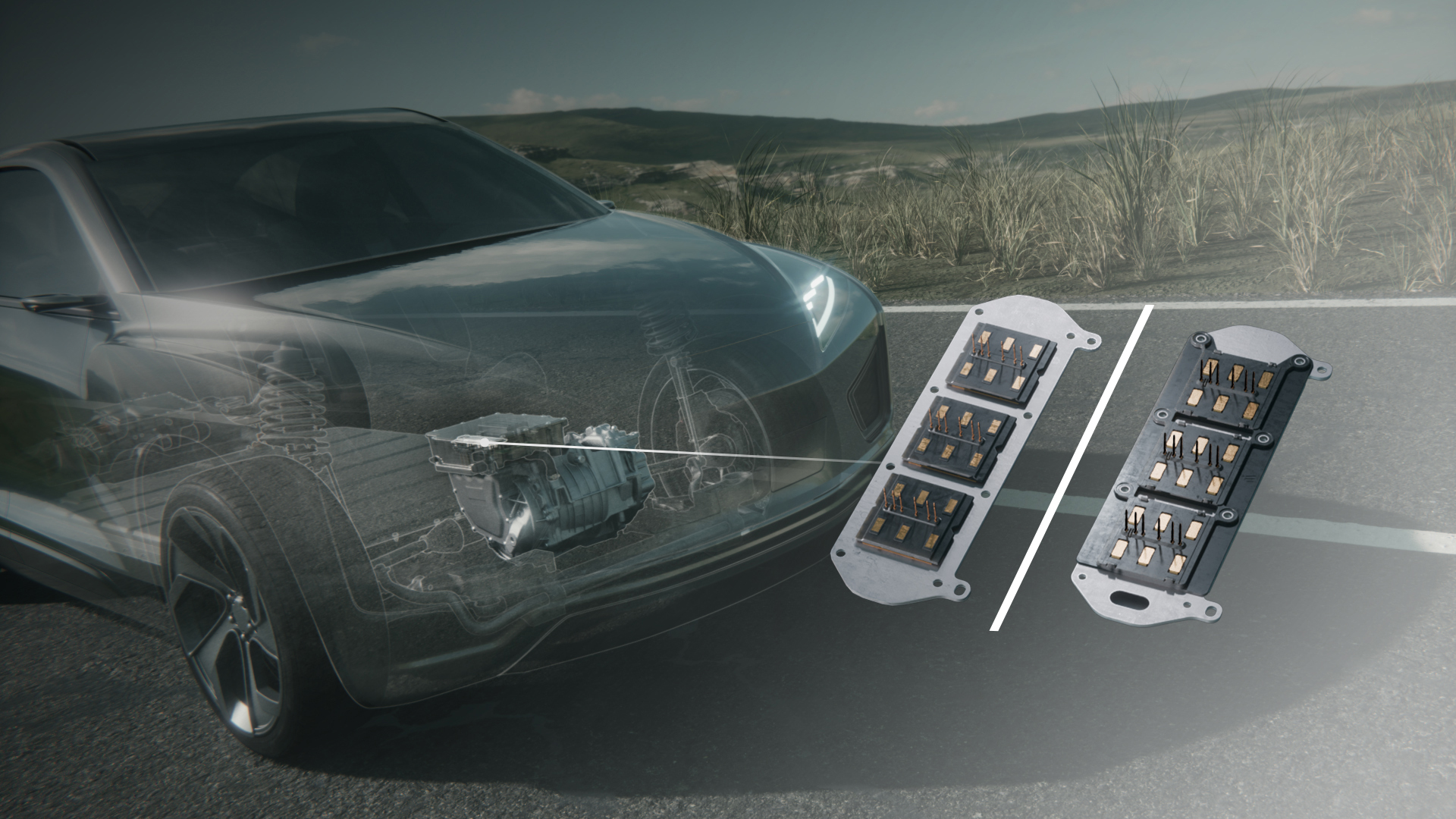
Silicon Carbide (SiC) Power Module

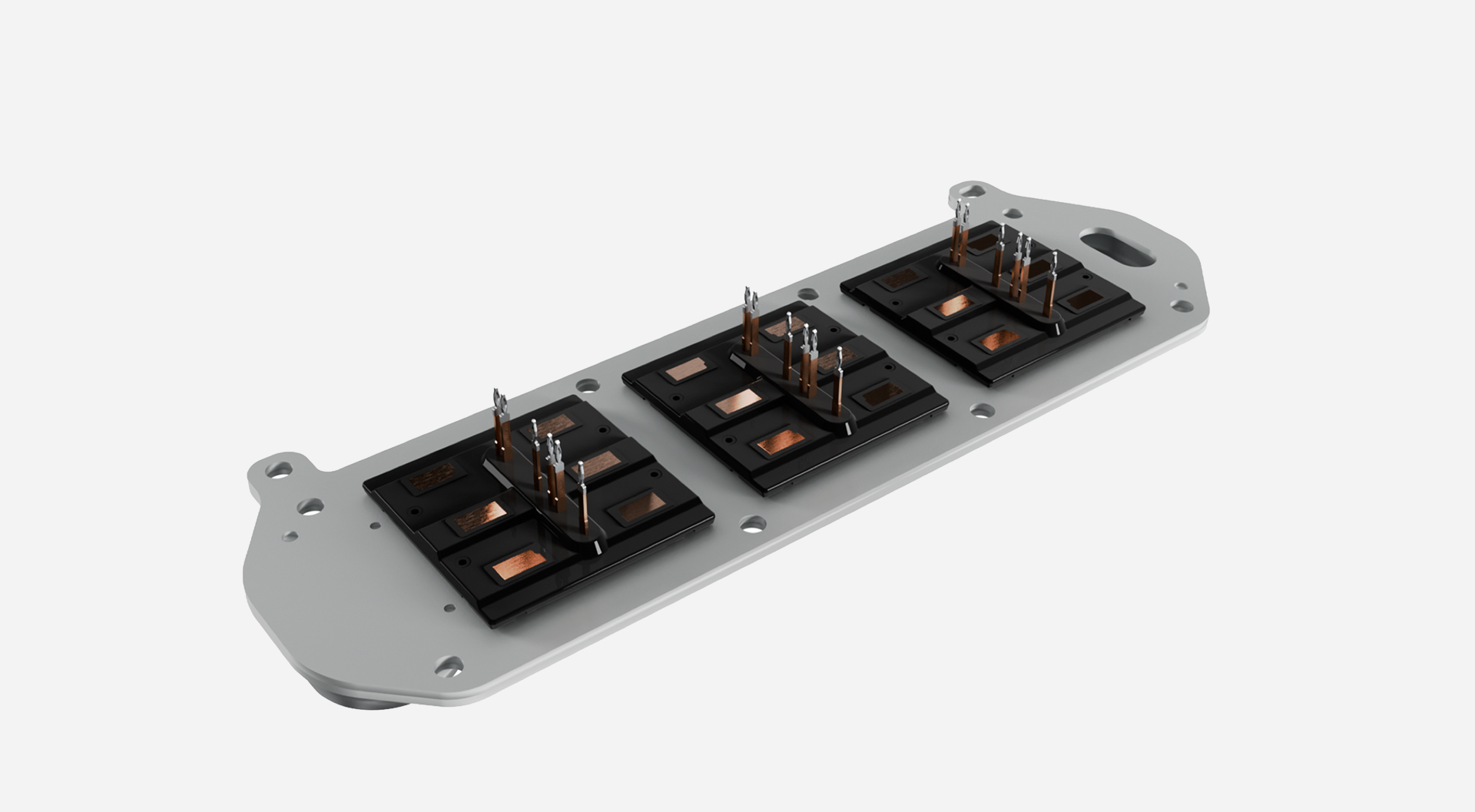
Designed for low- to mid-power applications, Magna's Silicon Carbide (SiC) Power Module combines a cost-effective and size-optimized design, ideal for high-performance primary drive applications due to its high switching speed.
WEB_POWER_MODULE_SiC_V04_1920x1080_260820

Silicon (Si) Power Module

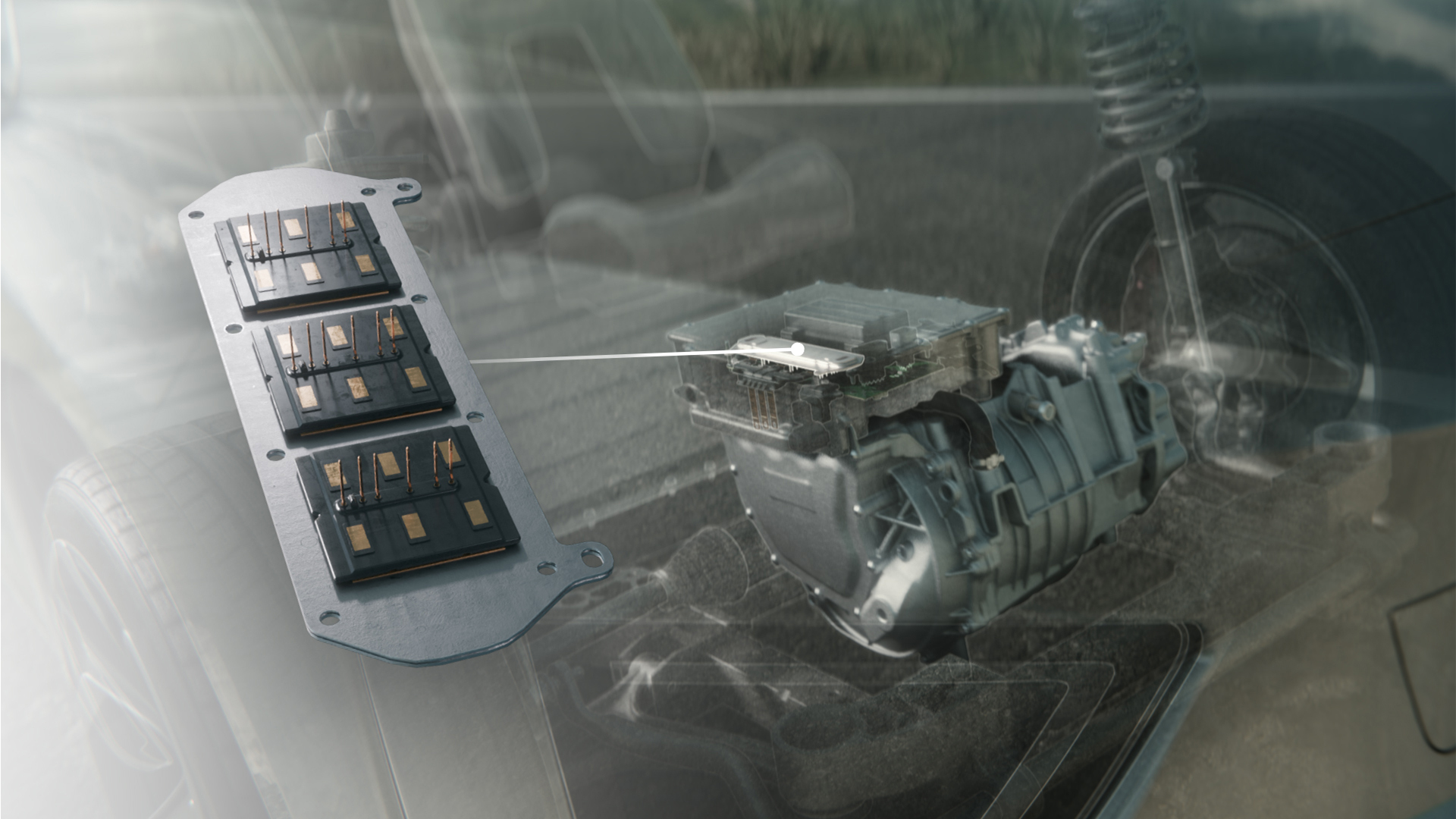
Magna's Silicon (Si) Power Module is a cost-effective solution for low- to mid-power applications. Optimized for hybrid and secondary drive systems it delivers a high amp-per-USD ratio. It is fully interchangeable with the SiC Power Module to enable high reuse on inverter level.
WEB_POWER_MODULE_Si_V02_1920x1080_260820

Designed for Global OEM Partnerships

More Sourcing Flexibility. Less Platform Complexity: Built on Magna’s common Power Module architecture and chip-agnostic design, OEMs can choose between Si and SiC while reducing dependence on specific semiconductor suppliers. Global engineering and production capabilities across Europe, North America and Asia support scalable implementation across vehicle programs and regions.

Magna has established dedicated power module development and manufacturing capabilities

  • Advanced in-house product engineering capabilities for power electronics
  • Serial-ready production in Germany, high-volume scalability and automotive-grade quality. Local for local in all regions.
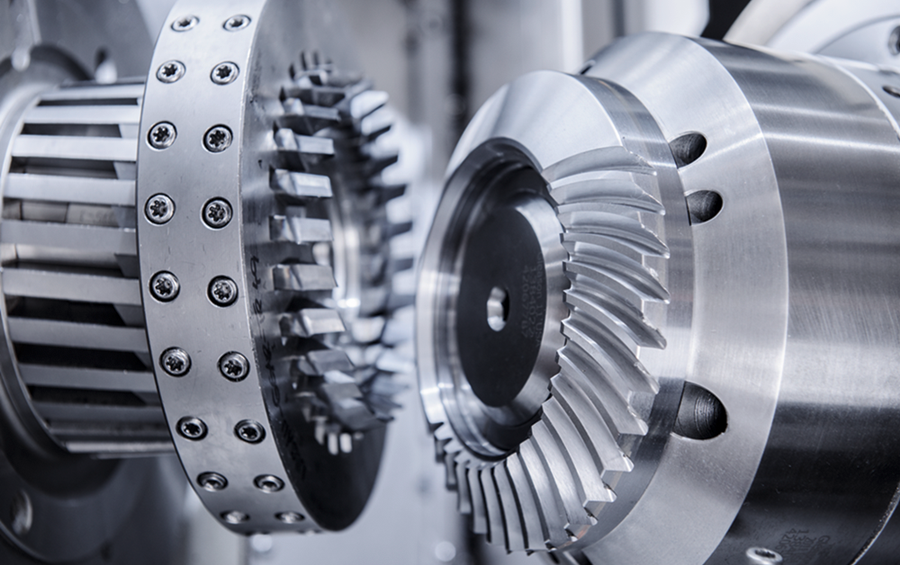
  • Advanced production technologies include brazed seal-less cooling solutions, soldered module attachment, transfer molding, press-fit pin connections, copper laser welding, sintering technologies and ultrasonic welding processes.

When engineering expertise meets Magna's manufacturing excellence, something great is created.

Magna Power Modules, developed in-house, are now ramping up for serial production in Germany. Magna is a global partner that offers OEM engineering and manufacturing capabilities not only in Europe but also in North America and Asia.

View of Earth from space at night with illuminated cities and glowing network lines connecting locations across continents.

North America

  • Manufacturing and engineering capabilities for Power Modules in North America 

Europe

  • Serial production ready, serial production in Neuenstein, Germany in 2027 
  • Manufacturing and engineering capabilities for Power Modules in Europe 
  • Prototyping available 

Asia

  • Manufacturing and engineering capabilities for Power Modules in Asia 

FAQs - Magna Power Modules

What is a power module in an electric vehicle?
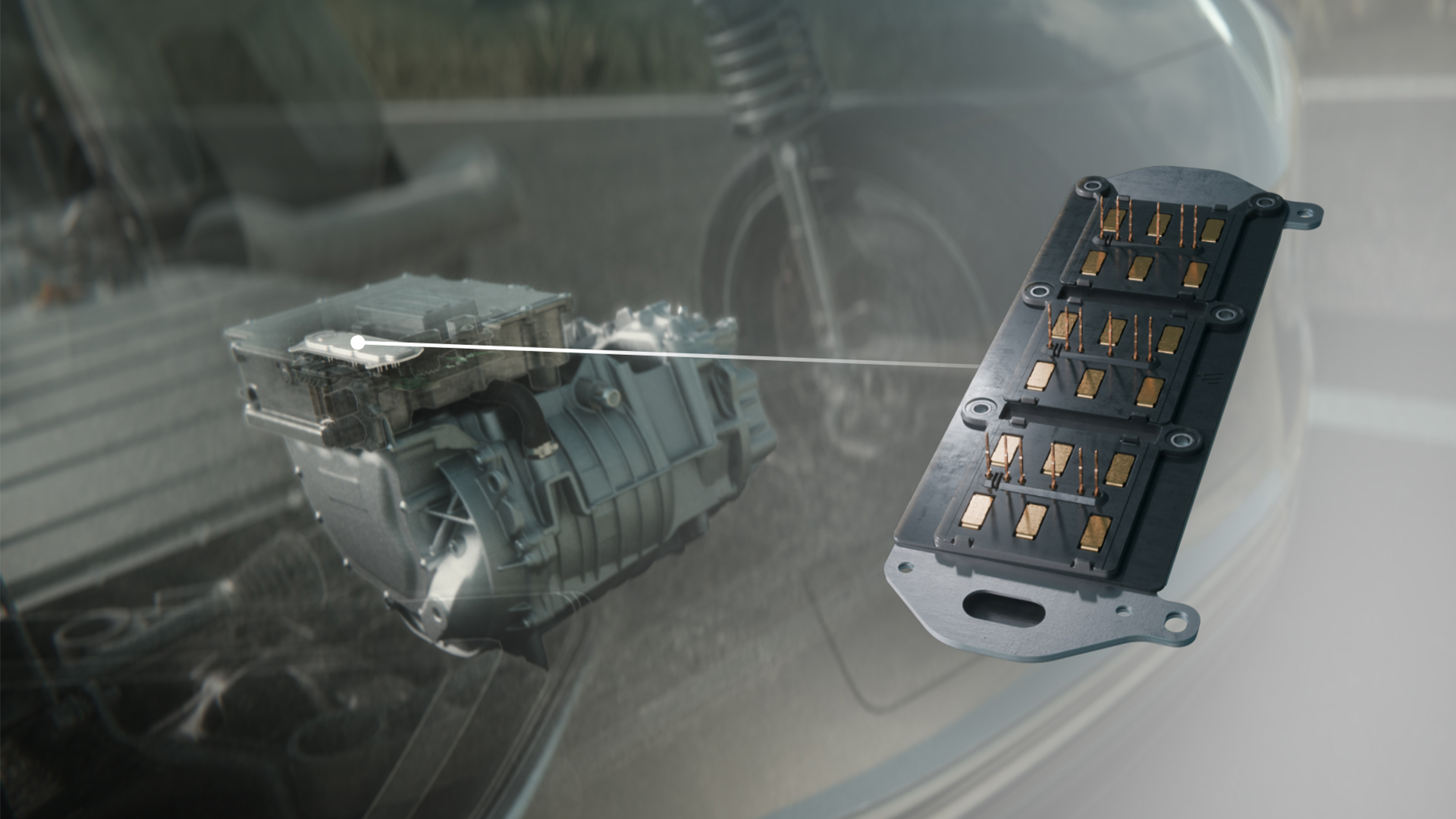
A power module is a core component of an electric vehicle inverter. It switches electrical energy from the battery to the electric motor and plays a key role in determining drivetrain efficiency, performance, thermal management and overall system cost.

What does a power module do in an inverter?
The power module contains semiconductor switches that convert the battery's DC voltage into AC power for the electric motor. Its electrical and thermal performance directly influences inverter efficiency, power density and driving performance.
What is the difference between Si and SiC power modules?
Silicon Carbide (SiC) power modules enable higher switching speeds, greater efficiency and improved performance, making them ideal for high-performance electric drives. Silicon (Si) power modules provide a cost-effective solution for many hybrid and secondary drive applications. Magna's standardized platform supports both technologies with a common inverter architecture.
How do power modules affect inverter efficiency?
Power modules influence switching losses, thermal behavior and electrical performance inside the inverter. Optimized designs with low stray inductance and efficient heat management help increase overall inverter efficiency while reducing energy losses.
Can the same inverter support both Si and SiC power modules?
Yes. Magna Power Modules feature a standardized footprint that allows OEMs to integrate either Si or SiC power modules within the same inverter platform. This simplifies development, increases component reuse and reduces engineering and manufacturing costs.
How do power modules reduce inverter cost?
A scalable power module architecture helps reduce inverter costs by enabling common hardware across multiple vehicle programs, simplifying manufacturing and supporting the reuse of key components such as PCBs and busbars.
Why is semiconductor supplier independence important for EV power modules?
A semiconductor-agnostic design gives OEMs greater sourcing flexibility and reduces supply chain risks. It also allows manufacturers to adapt to changing market conditions without redesigning the complete inverter system.
Which power module is best for electric vehicles?
The ideal power module depends on the vehicle's performance and cost targets. SiC is typically preferred for maximum efficiency and high-performance electric drives, while Si offers a cost-efficient solution for many hybrid and secondary drive applications. Magna's modular platform allows OEMs to select the technology that best fits each vehicle program.

Related Automotive Technologies

BEV Powertrain Products

Powertrain Modules & Components