Holistic testing and simulation integration
- Seamless integration of simulation and physical testing
- Improved model accuracy and validation quality through continuous feedback loops
- Efficient development and reliable durability assessment
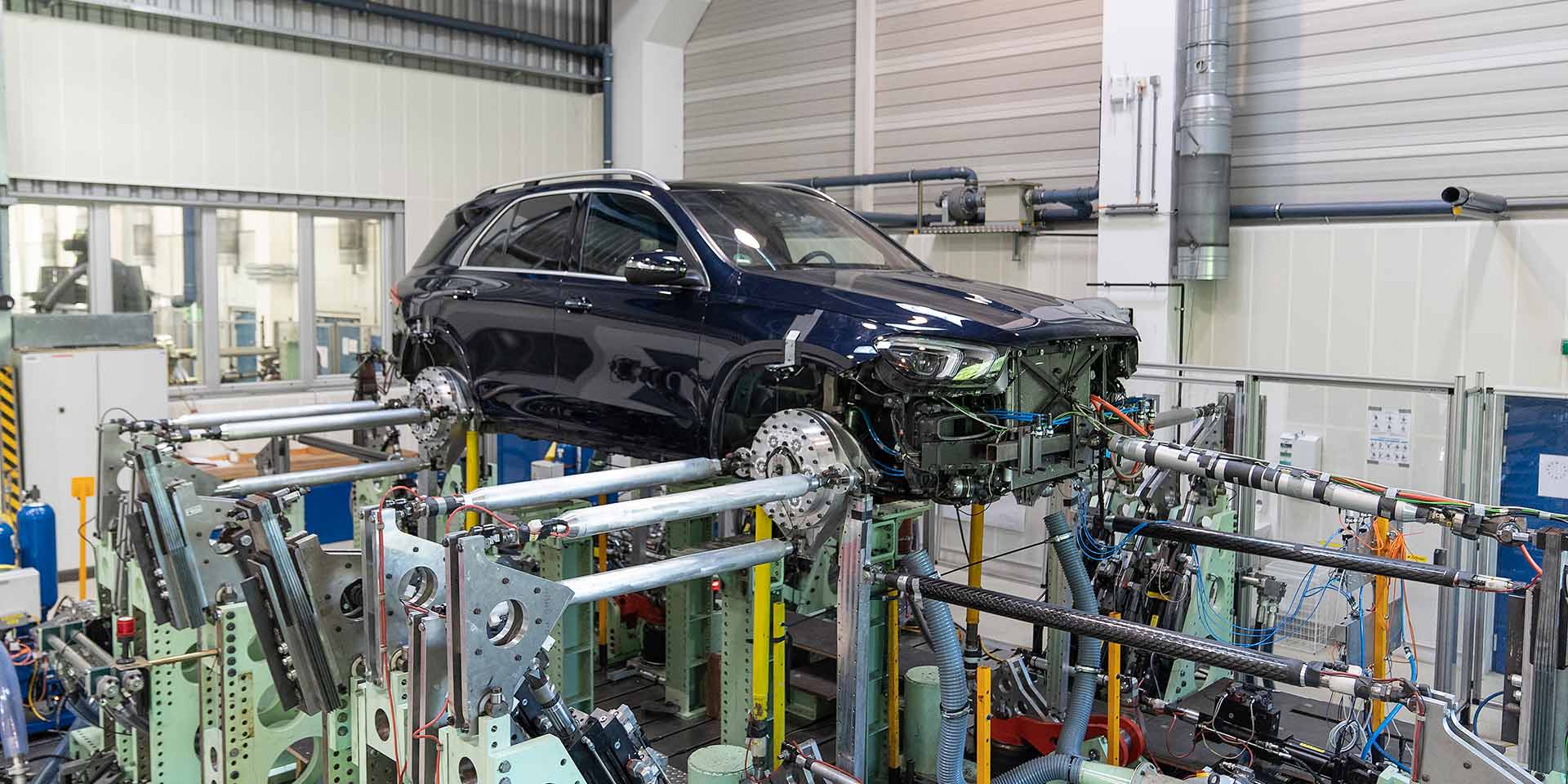
Discover our comprehensive Fatigue Testing Services, covering everything from small‑scale material specimen testing to full‑vehicle validation for heavy‑duty commercial applications.
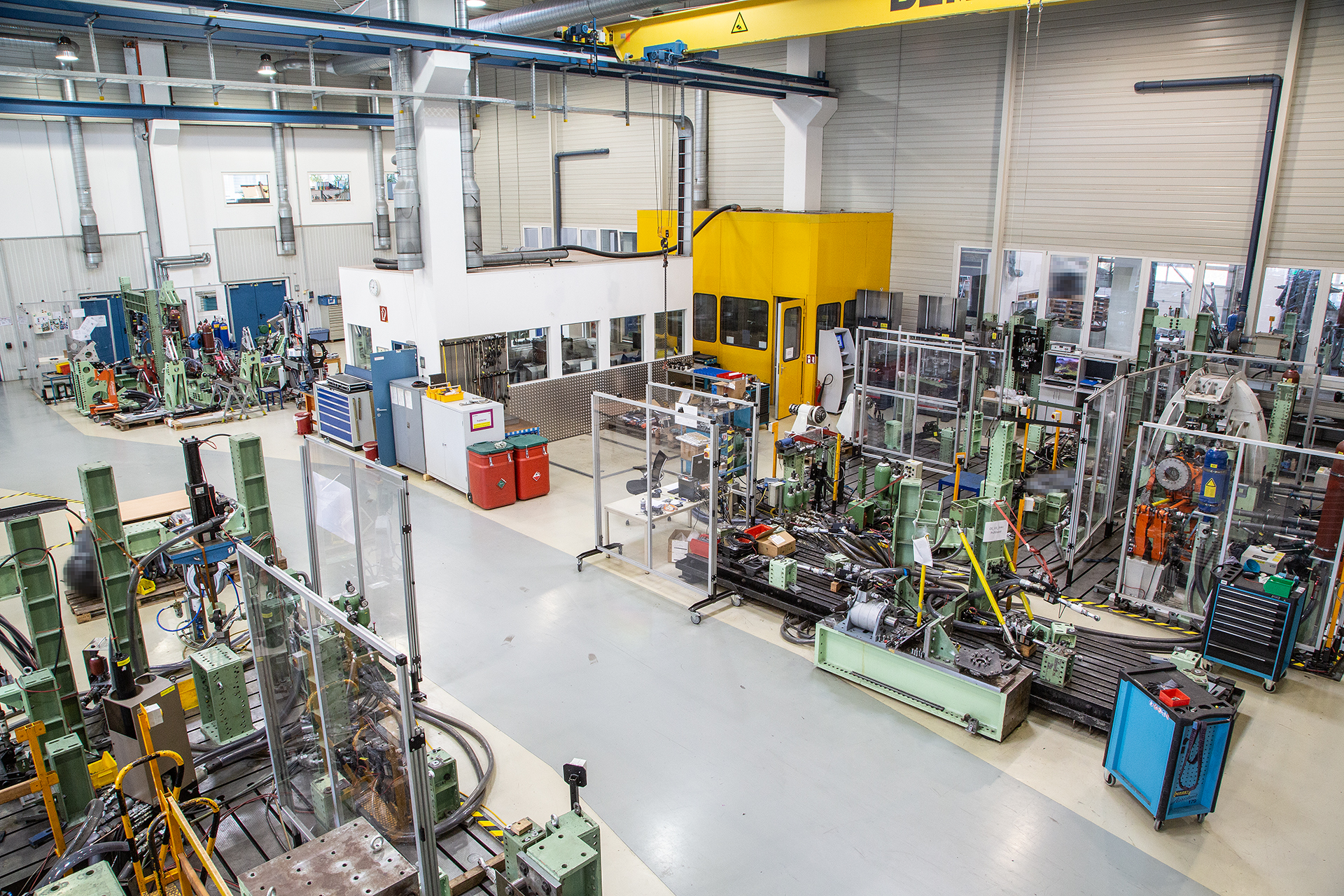
At Magna’s St. Valentin facility in Austria, we provide a complete workflow: from road load data acquisition and material testing to component validation and full‑vehicle fatigue assessment.
Our holistic approach integrates simulation and physical testing to maximize development efficiency and accuracy. Beyond fatigue life evaluation, our services include:
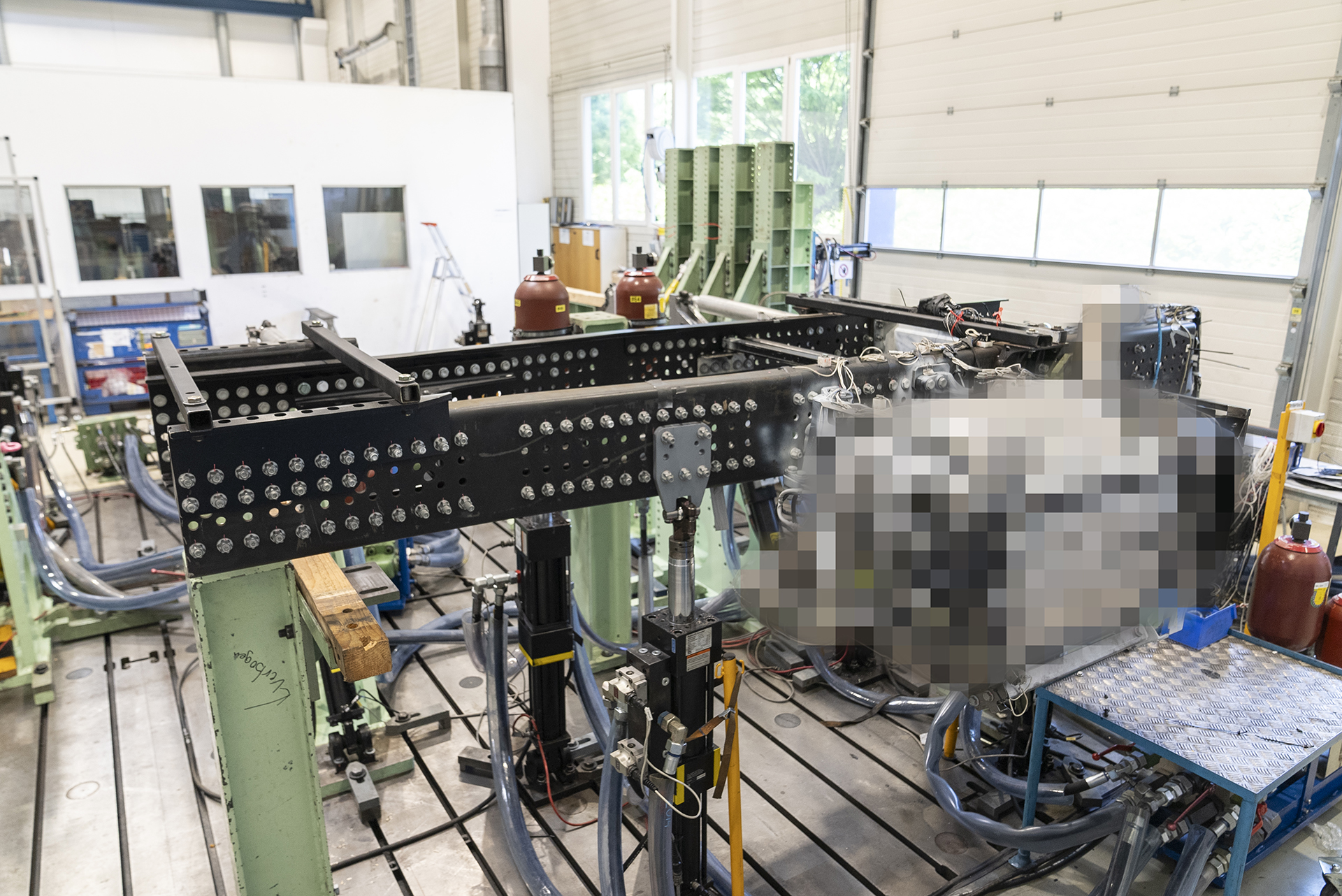
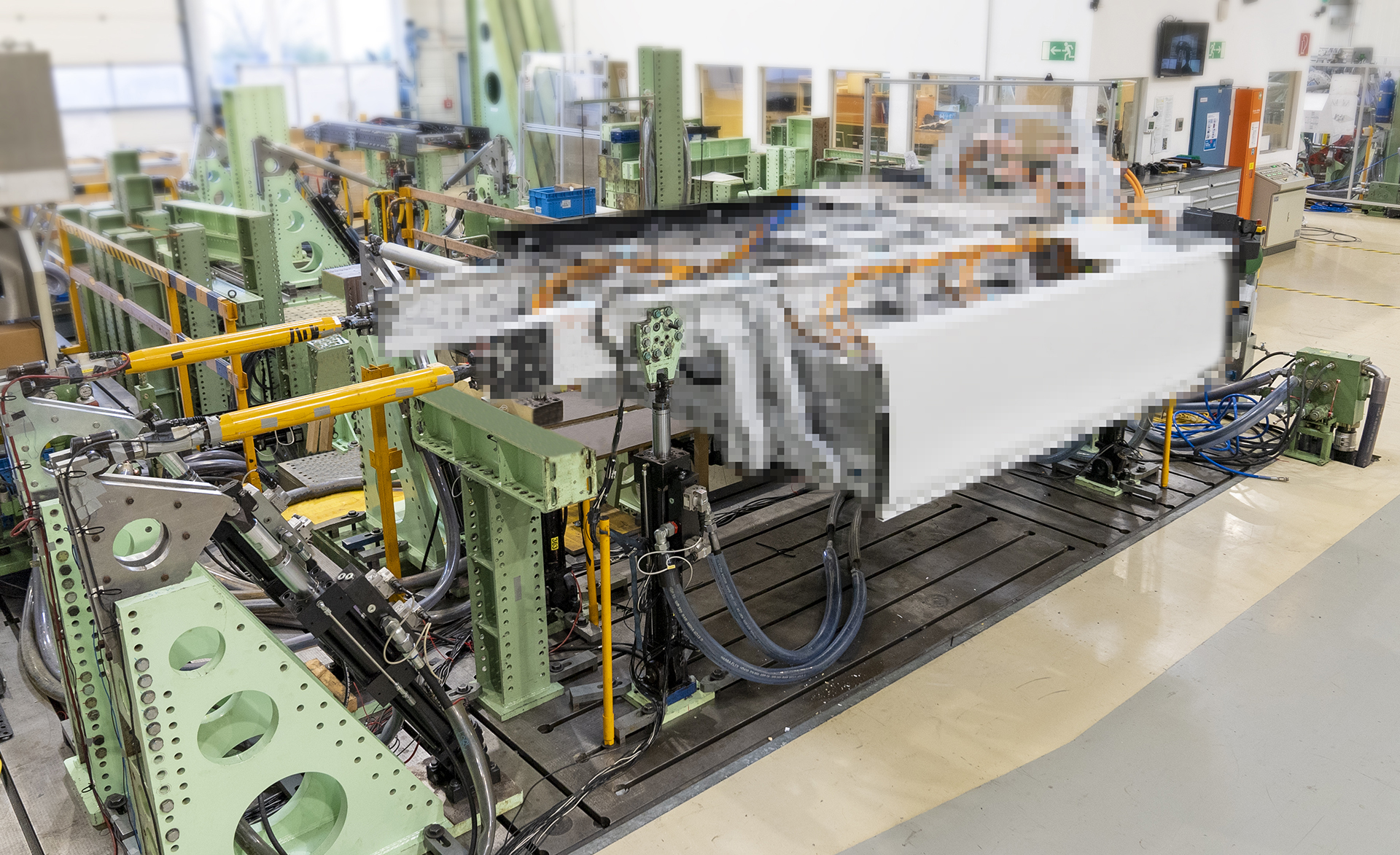
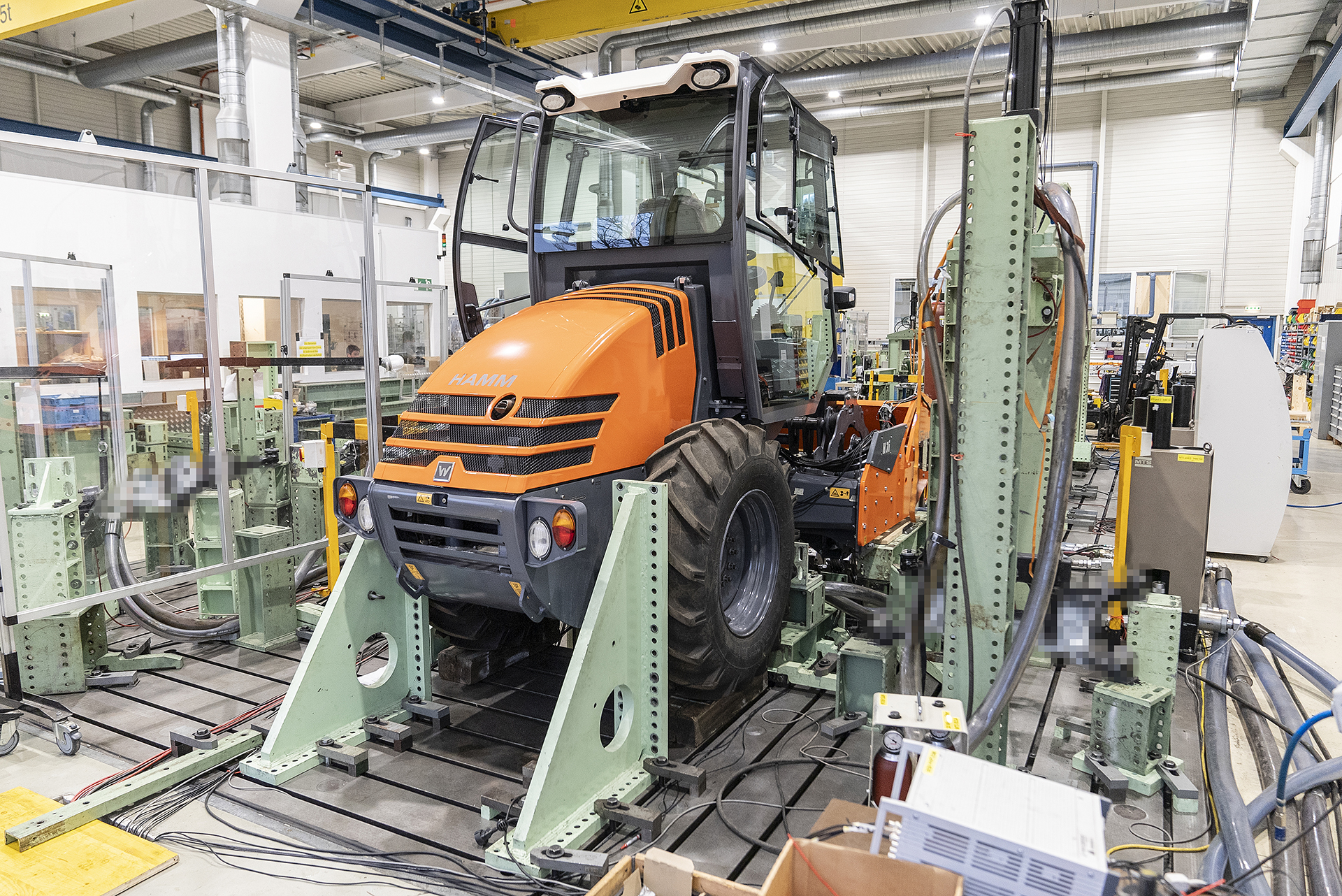
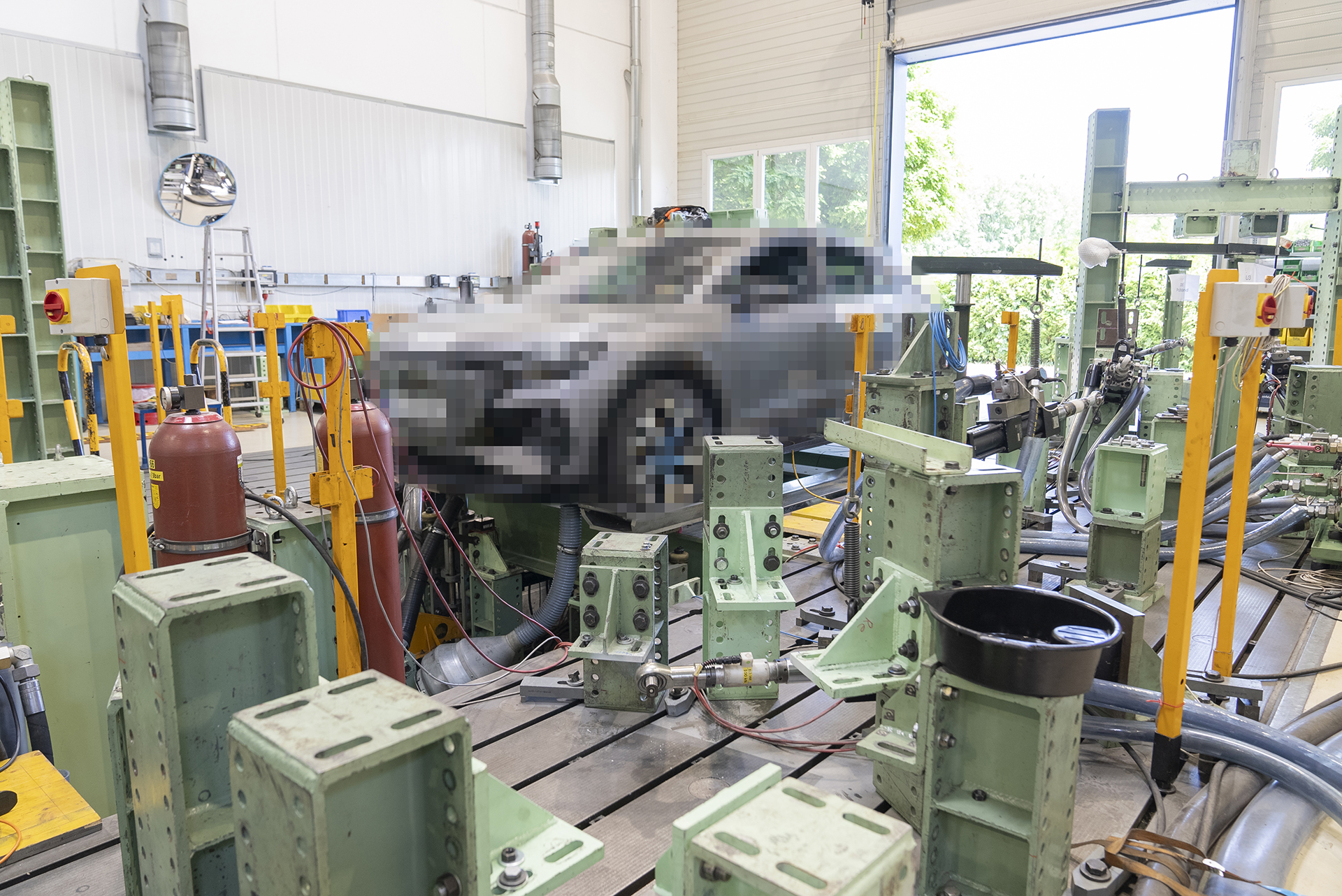
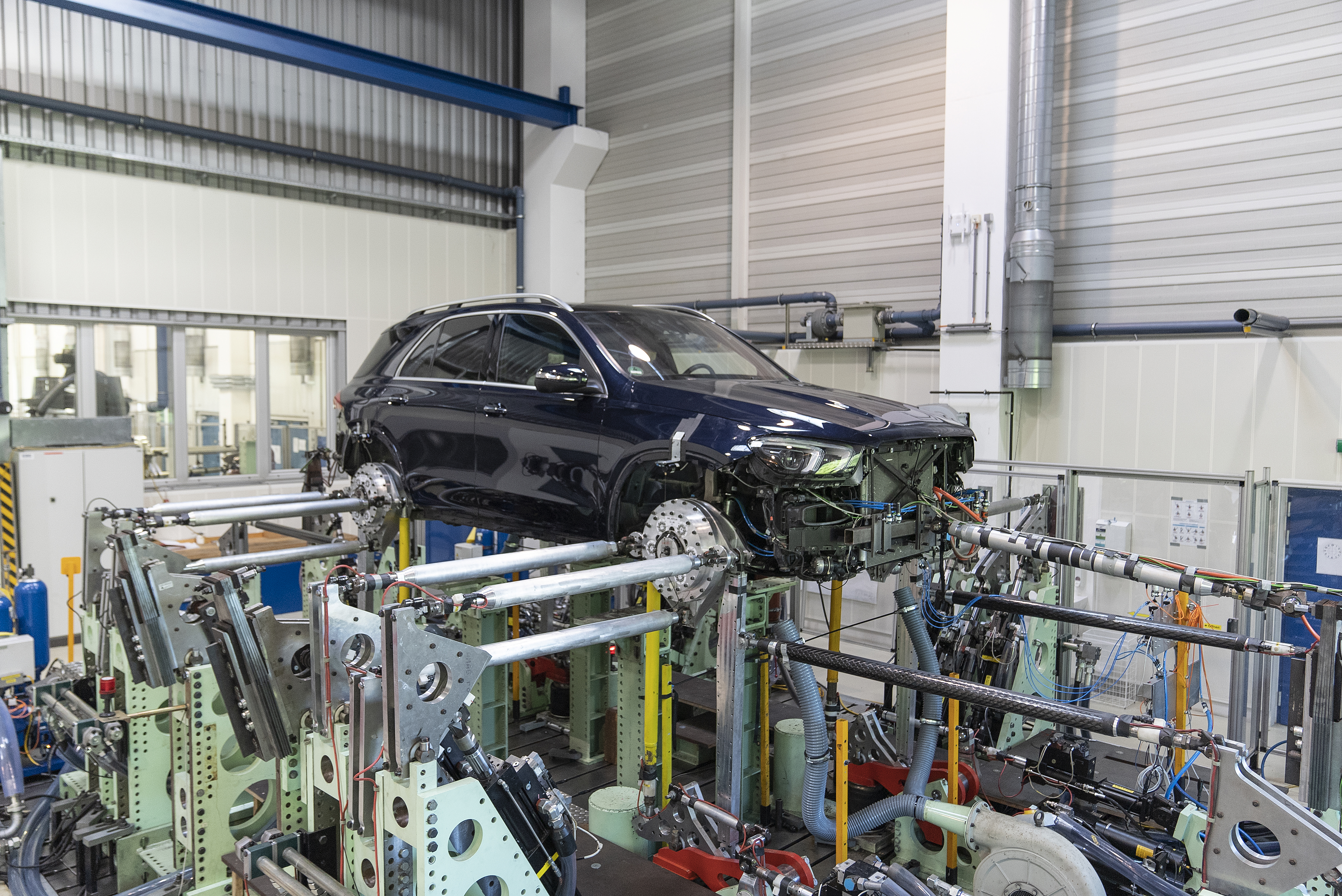
With up to 40 actuators operating simultaneously, we can reproduce complex multi‑axial load scenarios. NDT analysis identifies critical stress areas during and after testing.

“Fatigue Testing is not just about validating durability, it is about understanding real-world behavior and improving performance across the entire system.”
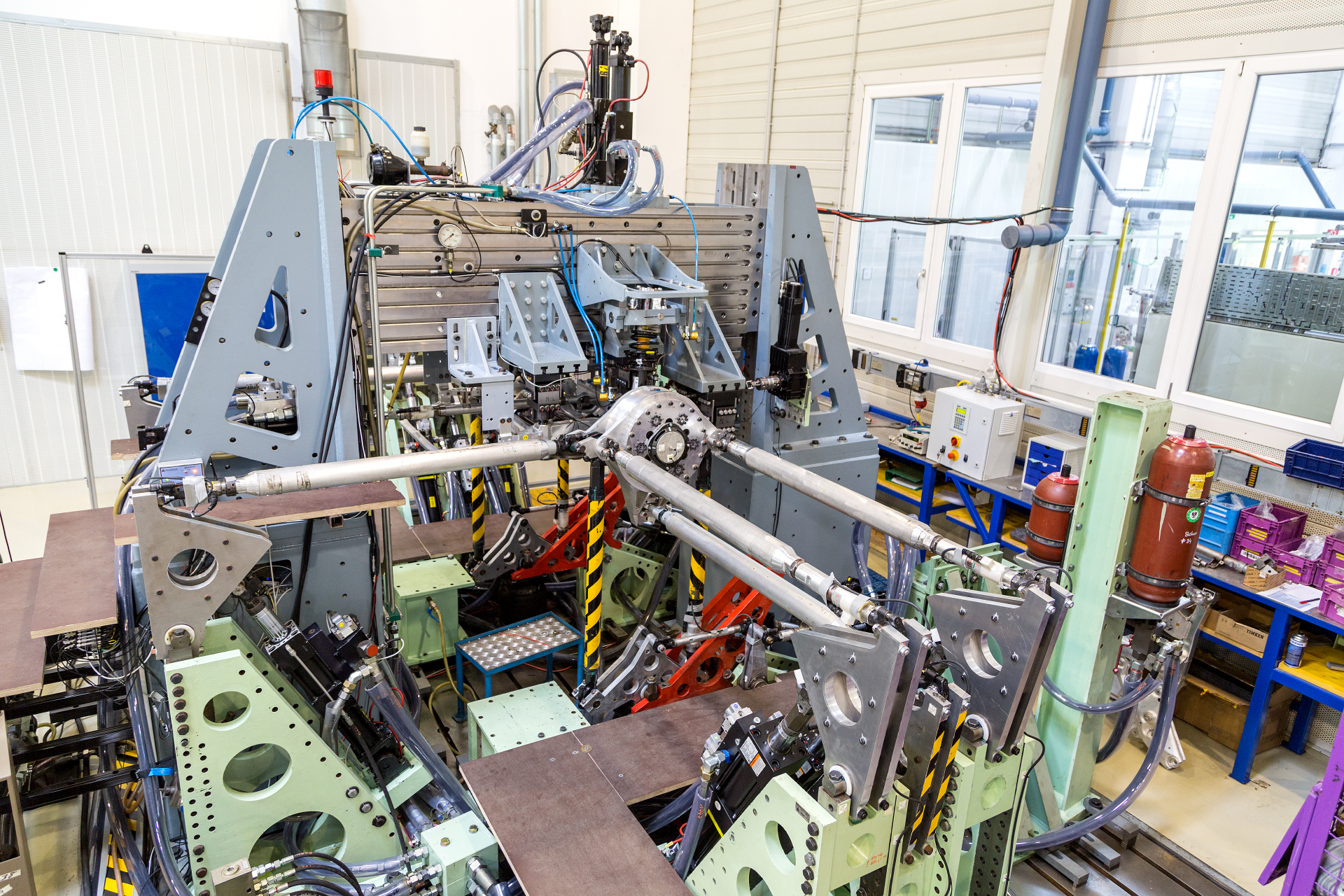
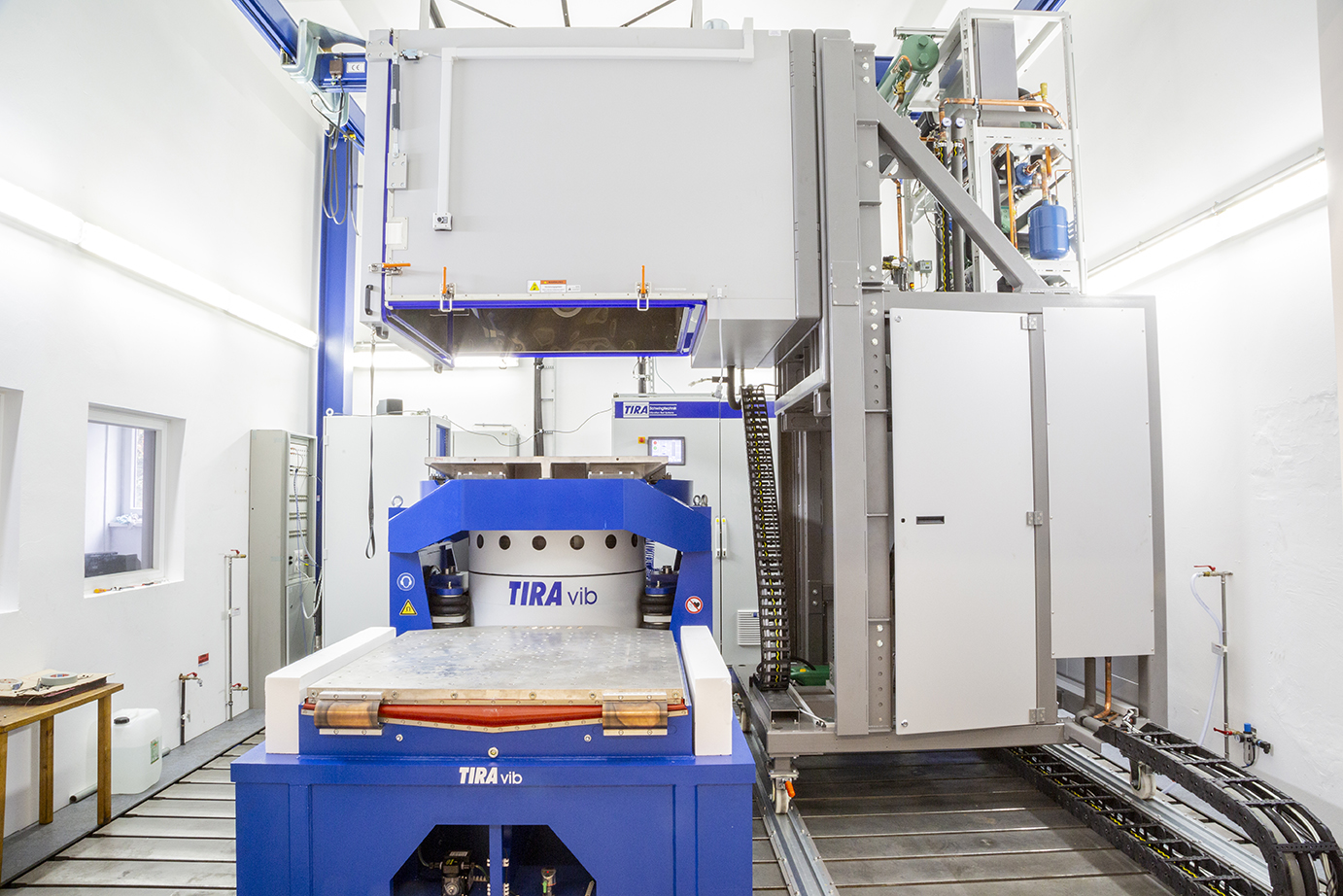
Our 6DOF/12 channel axle test benches for a wide range of vehicles realistically display the acting loads on chassis components during operation. In addition, environmental influences such as thermal and corrosive effects can be superimposed to the mechanical loads. Moreover, active components can be integrated into the test setup.


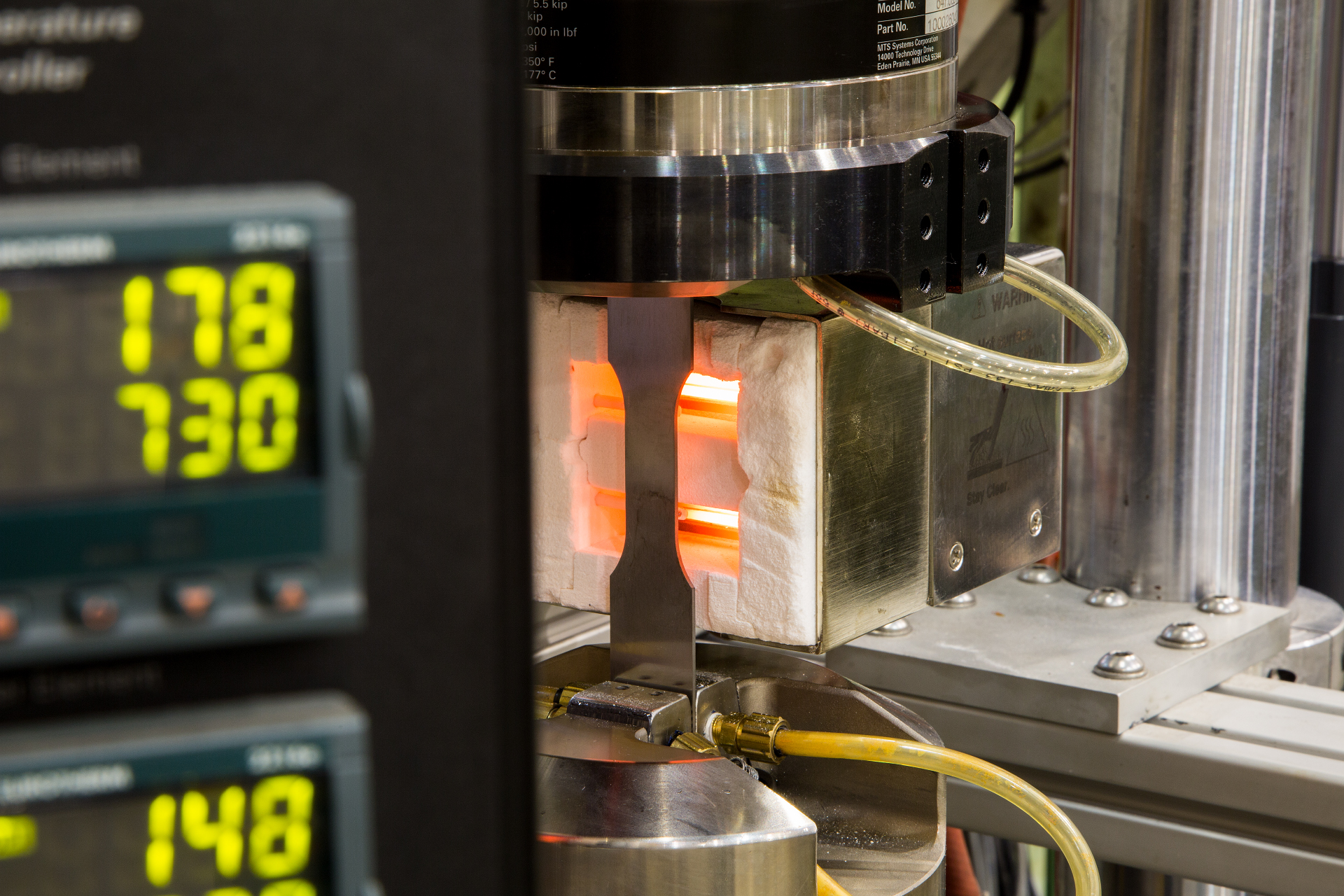
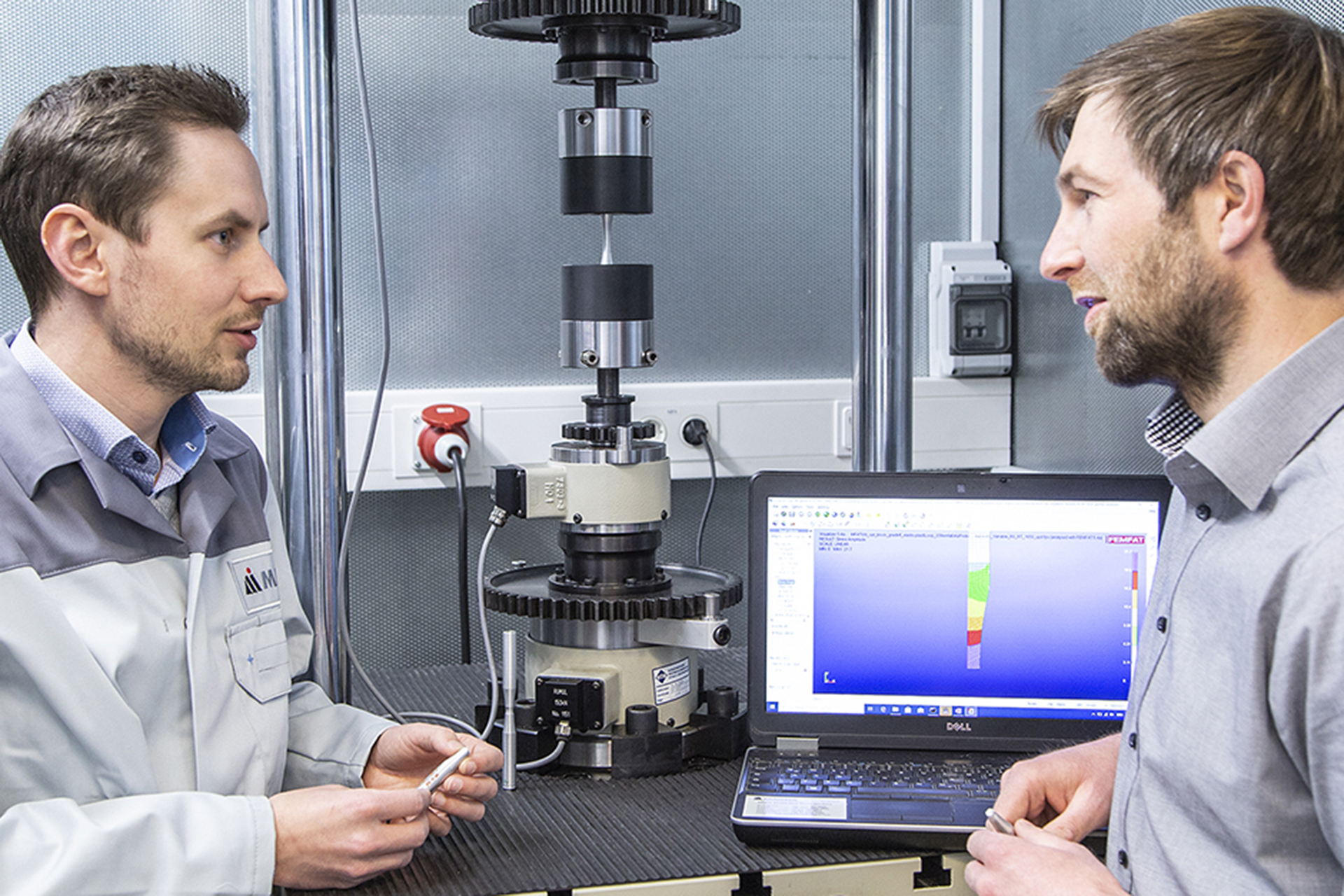
We investigate base materials and joint technologies, evaluating both quasi-static and highly dynamic material properties – including high-temperature behavior up to 1000°C.
Results are used to generate material models for FEMFAT and FEMFAT WELD, supporting accurate simulation results and durability validation.
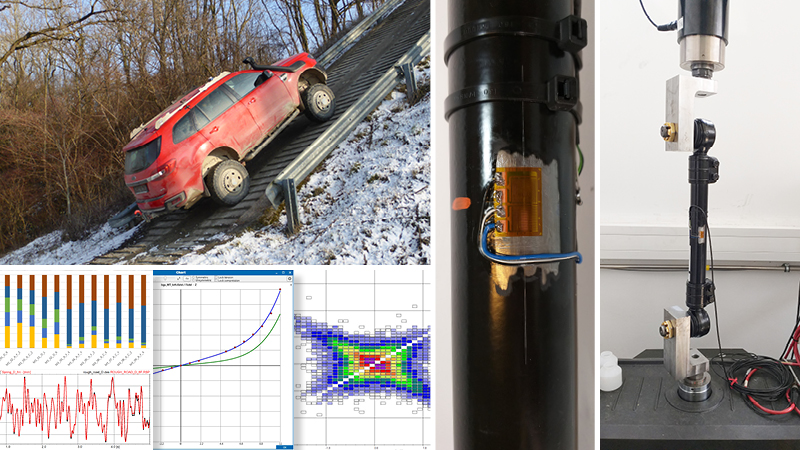
Our end‑to‑end workflow includes sensor application, calibration, load spectrum generation, virtual iteration, and derivation of equivalent loads.
Our measurement services range from standard load-data acquisition to complex drivetrain analysis using telemetry. All instrumentation and calibration are performed in‑house, supported by FEMFAT LAB for data processing.
Fatigue Testing Aervices evaluate how materials, components and complete systems perform under repeated loading over time. By simulating real-world operating conditions, they help identify potential failure points and critical stress areas early in the development process. This is essential in automotive engineering, where durability, safety and long-term performance are key requirements. Fatigue testing supports reliable validation, reduces development risks and ensures that components meet demanding operational standards across their entire lifecycle.
Fatigue Testing and Simulation are closely connected through a continuous feedback loop. Simulation models are used to define load conditions and optimize test setups, while physical testing validates these assumptions under real conditions. The results from testing are then used to refine simulation models, improving their accuracy over time. This integrated approach enables more efficient development, reduces the need for repeated physical testing and leads to more reliable durability predictions.
Fatigue Testing services cover a wide range of applications, from material specimens and individual components to complete vehicle systems. Typical test objects include chassis components, structural parts, powertrain elements and assemblies exposed to complex load conditions. Advanced testing setups allow multi-axial loading and the simulation of real-world environments, ensuring that both simple and highly complex systems can be validated under realistic conditions.
Real-world load data is a key input for accurate Fatigue Testing. It is collected through sensors and measurement systems that capture parameters such as strain, acceleration and displacement during vehicle operation. This data is processed, calibrated and transformed into load spectra and equivalent load cases that can be applied in test rigs. By using real operating data, fatigue testing achieves a high level of accuracy and ensures that validation results closely reflect actual vehicle usage.

